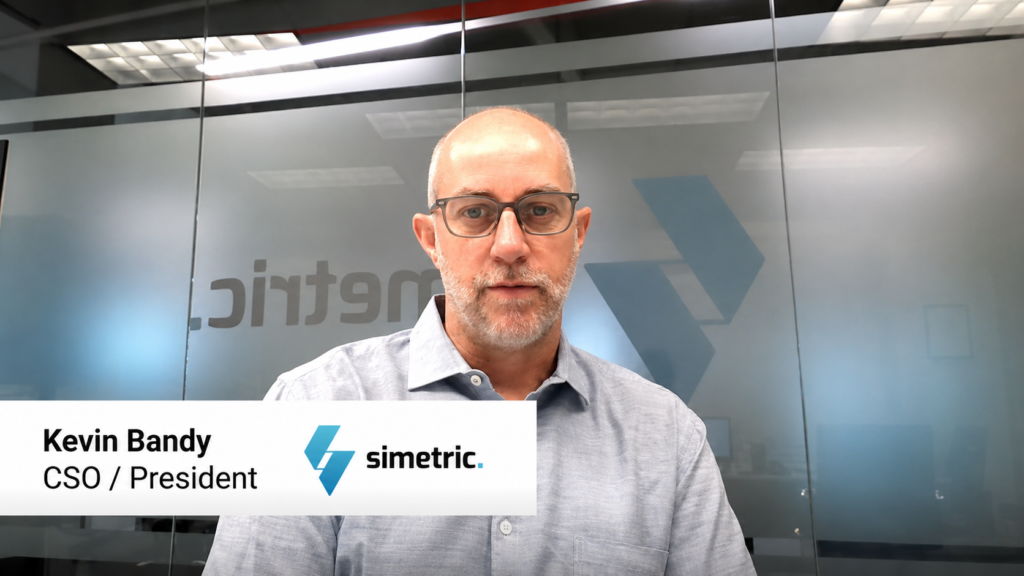
Is your enterprise ready to secure the next generation of IoT? Join Kevin Bandy for the latest episode of our series, “It’s Time We Talk About…”
IoT was built on connectivity, but security has moved front and centre. As billions of devices connect and fleets migrate from SIM to eSIM the attack surface continues to expand. The EU Cyber Resilience Act and multibillion-dollar cybersecurity acquisitions show why security, visibility and regulatory compliance are now board-level priorities.
Kevin explains why the conversation must shift from connectivity and usage to device productivity, measurable outcomes and a stronger security posture. The answer is an integrated, AI-enabled control plane that unifies security, networking and operations an enterprise-first, distributed workflow capable of governing the entire IoT and edge ecosystem through a single pane of glass.
Transcript
Hello, my name is Kevin Bandy. This is the IoT Now: It’s Time We Talk About series.
In today’s discussion, there’s something that becomes a very burning topic as we think about IoT. For an industry that long associated connectivity as the foundation, the bulk of conversations that are driving adoption and mission-critical focus today is security.
Security has always been paramount, but across such a fractured landscape, security is now very front and center. We’re seeing new personas, new executives being brought into the discussion. And as we think about this, we’re seeing organizations begin to move to address Cyber Resiliency Act and regulatory compliance across other, geographies. But if you don’t think that cybersecurity becoming a main focus in this area, let me just state a few things that we all think about it. So ServiceNow acquired Moveworks, Veza, and recently Armis. That’s nearly ten billion dollars in acquisitions for cybersecurity. Palo Alto moved on CyberArk for twenty-five billion. If you look at Cisco, have adopted or purchased Splunk Thousand Eyes and several others. So observability in security is moving out across the IoT and the edge network. It’s moving as far as it possibly can. So connectivity is no longer the driving factor. We’re talking about security and measured outcomes across the IoT landscape. So the conversation needs to move from connectivity and usage to device productivity and outcomes and security posture enhancement. And when you think about the Cyber Resiliency Act that is being deployed across the EU and all those acquisitions that I just talked about, an architectural piece that I think that we all need to be mindful of. When you think about the IoT and edge ecosystem going from billions of devices to the eSIM adoption, we’re talking about a migratory install base moving from SIM-enabled to eSIM-enabled devices. None of that can be exposed and be vulnerable. So you’re seeing all of these big IT companies and enterprises leading with a security posture where they are looking to build an integrated AI-enabled control plane for security, networking, and operations to govern the entirety of their IoT ecosystem. Let me state that again because it’s important.
It’s not usage. It’s not connectivity. It’s device-level outcomes built around an integrated AI-enabled control plane for security, networking, and operations. The governance of IoT has to be a unified, distributed workflow, single pane of glass platform that is enterprise first. That does not negate the role of connectivity, but it does position that the bias of the enterprise is now focused on productivity and security more than any other topic in the IoT and edge networking space. And that is what I think is critical that it’s time we all talk about and rally around as an industry. Thank you.